
Lightroom vs Alternatives: Photoshop, Capture One & More
Adobe Lightroom has long been one of the most popular tools for photographers, thanks to its ability to handle both photo organization and non-destructive editing. But with new software options and evolving creative needs, many users now compare Lightroom vs alternatives such as Photoshop, Capture One, and Darktable. Choosing the right editor depends on whether you need fast workflow, advanced retouching, or a free equivalent to Lightroom.
In this detailed guide, we’ll explore Lightroom vs Photoshop, Capture One vs Lightroom, Darktable vs Lightroom, and also clarify the difference between Lightroom and Lightroom Classic to help you decide which tool best fits your creative workflow.
Lightroom vs Photoshop – Which One Do You Need?
The most common debate is Lightroom vs Photoshop. At first glance, both are Adobe products, but their strengths differ.
When it comes to Photoshop Lightroom vs Photoshop, the key difference is workflow: Lightroom vs Alternatives speeds up large projects, while Photoshop offers complete creative freedom for individual images.
Many professionals use both. For example, they organize and apply presets in Adobe Lightroom, then fine-tune details in Adobe Photoshop.
Adobe Lightroom vs Adobe Photoshop – A Closer Look
The comparison of Adobe Lightroom vs Adobe Photoshop goes deeper than features—it’s about usability. Lightroom provides non-destructive editing, meaning changes don’t permanently alter the original file. Photoshop edits are more direct, often requiring careful layer management.
Another key point is presets. Lightroom’s ecosystem of cinematic filters, portrait presets, and color grading packs makes it perfect for quick enhancements. Photoshop requires more manual adjustments, but gives finer control.So if you want speed, Lightroom wins. If you want absolute precision, Photoshop is still the king.
Capture One vs Lightroom – The Professional Choice
Another popular debate is Capture One vs Lightroom. Capture One, developed by Phase One, is highly regarded for its color accuracy and tethered shooting support. Many studio photographers prefer it for its ability to handle RAW files with unmatched sharpness and tonal range.
On the other hand, Lightroom offers smoother integration with other Adobe tools and cloud syncing, making it great for hybrid workflows across desktop and mobile.
When it comes to Capture One Pro vs Lightroom, Capture One is often chosen by high-end fashion and commercial photographers. Lightroom, however, is still the more accessible option for beginners and creators who need presets, mobile editing, and quick exports.
Darktable vs Lightroom – The Free Alternative
Not everyone wants to pay a subscription fee. That’s why Darktable vs Lightroom is a frequent comparison. Darktable is an open-source, free equivalent to Lightroom, offering RAW processing, color management, and non-destructive editing.
While Lightroom vs Alternatives has a more polished interface and broader preset marketplace, Darktable is surprisingly powerful for a free tool. It’s a solid choice for hobbyists, students, or photographers who want professional-level editing without monthly costs.However, Lightroom still leads in workflow speed, AI-powered tools, and community support.
Free Equivalent to Lightroom – Do They Really Compare?
If you’re searching for a free equivalent to Lightroom, options like Darktable, RawTherapee, and Luminar (trial versions) often come up. These alternatives give photographers access to RAW editing, exposure correction, and background adjustments without a price tag.
While these tools can replace Lightroom vs Alternatives for basic editing, they often lack the cloud syncing, preset marketplace, and mobile editing capabilities that make Lightroom vs Alternatives unique. Still, for cost-conscious creators, they are excellent Lightroom vs alternatives.
Lightroom Alternative – Exploring Other Options
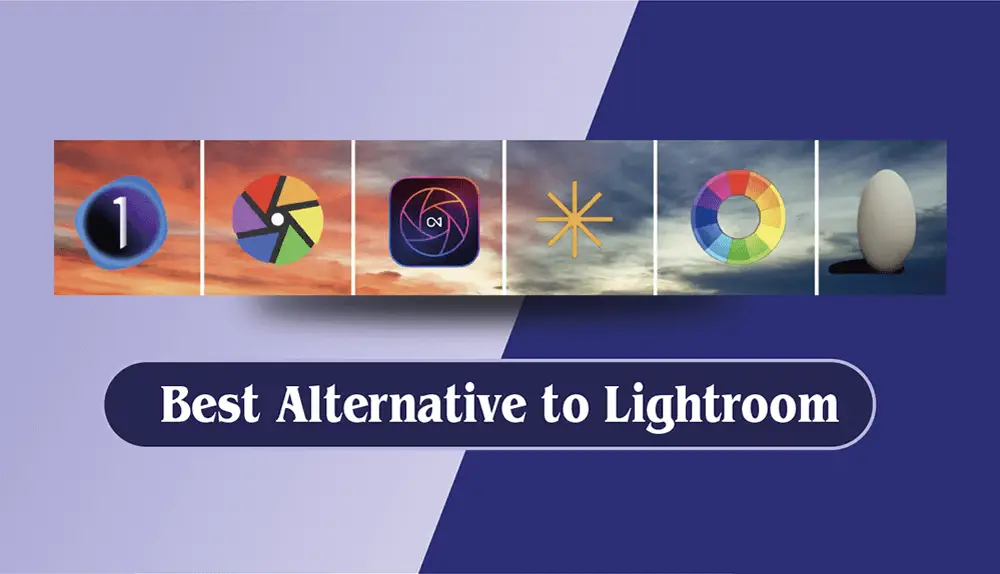
Besides Photoshop and Capture One, there are several Lightroom vs alternatives worth considering:
Each Lightroom vs alternative offers unique strengths. The right choice depends on whether you prioritize budget, professional features, or ease of use.
Difference Between Lightroom and Lightroom Classic
One point that confuses many users is the difference between Lightroom and Lightroom Classic.
When comparing Lightroom Classic vs Lightroom, Classic is more powerful for professionals handling large photo libraries. Lightroom CC is simpler and better for mobile-first creators.
Lightroom Classic vs Lightroom – Which One to Choose?
For beginners, Lightroom Classic vs Lightroom comes down to how you work:
Many professionals actually use both: Lightroom Classic for studio work and Lightroom CC for editing while traveling.
Which Tool Should You Choose in 2025?
Now that we’ve compared Lightroom vs Photoshop, Capture One vs Lightroom, and even Darktable vs Lightroom, here’s a quick guide:
Pro Tips for Switching Between Alternatives
If you’re experimenting with Lightroom vs alternatives, here are some tips:
Conclusion
In the ongoing debate of Lightroom vs Photoshop, Capture One, and other alternatives, the answer depends on your creative goals. Lightroom vs Alternatives remains the most versatile choice for photographers seeking a balance of speed and power. However, professionals who need advanced retouching may lean toward Photoshop, while those chasing color precision might prefer Capture One Pro.
Free tools like Darktable offer a good free equivalent to Lightroom vs Alternatives, but lack some modern features. And within Adobe itself, choosing between Lightroom Classic vs Lightroom comes down to whether you want cloud convenience or full desktop control.
No matter which tool you choose, the key is to build a workflow that matches your style. After all, the best software is the one that helps you bring your creative vision to life.